
 Canada
Canada CRE News In Your Inbox.
Sign up for Connect emails to stay informed with CRE stories that are 150 words or less.


Canada’s Tight Apartment Market Conditions Loosened in 2025
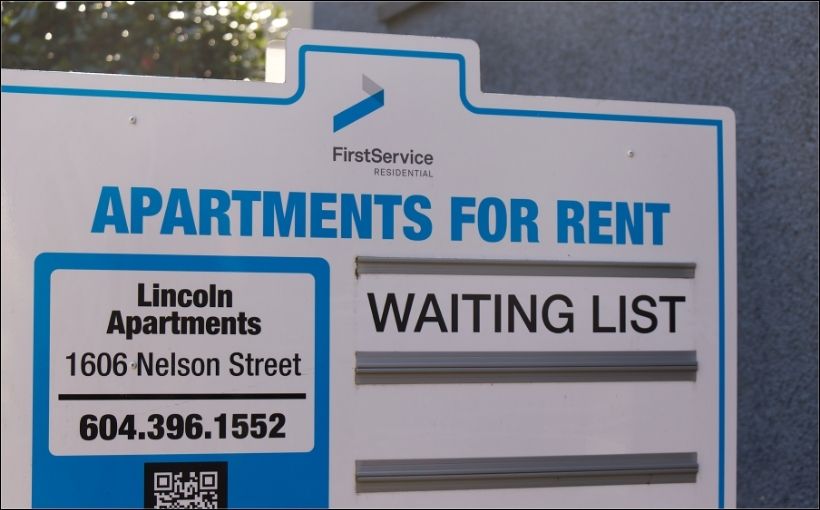
Canada’s multi-family market conditions eased in 2025 as vacancy rates for purpose-built rental apartments rose across major cities, driven by historically high rental construction and slower population and economic growth,.
The national vacancy rate increased to 3.1% in 2025, up from 2.2% in 2024 and above the national 10-year average, according to Canada Mortgage and Housing Corporation’s 2025 Rental Market Report. Rental condominium-apartment vacancies also rose but remained well below purpose-built levels.
Despite rising vacancy rates and increased competition among landlords, affordability pressures persisted. The average rent paid by all tenants for two-bedroom units increased 5.1%, partly reflecting higher rents applied at turnover when units were newly leased.
“The tight conditions that defined rental markets in the past few years in Canada’s largest cities loosened in 2025. Historically high rental supply completions combined with weaker demand caused by slower population and economic growth led to a rise in vacancy rates in many large cities,” said Tania Bourassa-Ochoa, a CMHC’s deputy chief economist. “Purpose-built rental operators responded to these market conditions by offering incentives to new tenants, such as a month of free rent, moving allowances and signing bonuses. However, affordability is still a challenge in most markets, as the supply of units affordable to lower-income households remains low.”
In Toronto, the purpose-built apartment vacancy rate reached 3% for the first time since the pandemic, reflecting declining immigration, reduced demand from international students and economic uncertainty. Condo-apartment vacancy rates remained low at 1%, while lower turnover rents contributed to increased renter mobility.
Vancouver recorded a 3.7% vacancy rate for purpose-built rentals, the highest level since 1988, alongside rent growth at a two-decade low, largely due to record rental supply and slower population growth. Montreal also saw higher vacancy rates across both purpose-built and condo rentals, while average rents rose 7.2%, outpacing income growth.
Calgary’s vacancy rate held steady at 5% as strong demand matched rapidly expanding rental supply that grew at the fastest pace in decades. Edmonton’s purpose-built vacancy rate increased to 3.8%, supported by strong completions, while condo rentals continued to show low vacancies.
Ottawa and Halifax both experienced modest easing, with vacancy rates rising amid increased supply, though affordability challenges remained, particularly for lower-rent units.
Photo: Margarita Young / Shutterstock.com
- ◦Development