
 Cross Border News
Canada CRE News In Your Inbox.
Sign up for Connect emails to stay informed with CRE stories that are 150 words or less.

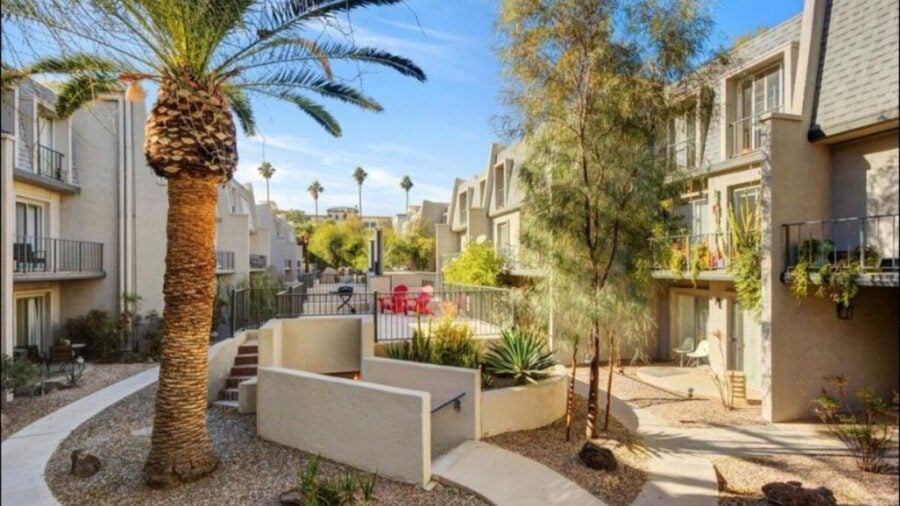

Confusion, Concerns Deter Canadians from Buying U.S. Recreational Real Estate
New Royal Bank of Canada data suggests Canadians may still be interested in owning property in the U.S., compared to findings compiled in fall 2026, but confusion and cost concerns are now holding them back.
Nearly three in 10 Canadians believe purchasing U.S. property is too complicated or too expensive (29%), while 27% say tax implications feel overwhelming, says the bank. More broadly, 37% say they do not know enough about the process, pointing to a significant gap in understanding when it comes to cross-border homebuying.
“Some Canadians I talked to, they say the timeframe [for making a purchase] is probably in a year or so or even more,” Joanna Yu, the bank’s senior manager of U.S. home-equity financing, told Connect.
“So, they’re just very cautious right now.”
But Yu said Canadians’ demand for a second home located in the U.S. estate remains strong as residents north of the border show slightly more interest, 28% of people surveyed compared to 27% in fall 2025, in travelling south within the next year.
“From the survey we received back, many are saying the [No. 1] reason they wish to purchase a property down in the U.S. is really to improve the quality of their life, either for retirement,” she added. “Or some Canadians do want to spend their Canadian winter in a warmer place.
“And the U.S., it’s still closer to Canada compared to Asia location-wise.”
Some Canadians also say affordability is driving their desire to purchase homes stateside. Yu noted that U.S. National Association of Real Estate Editors data shows that the median existing home-sale price was about US$417,000, which is less than C$600,000.
“Compared to some big cities in Canada, in many cities in the U.S., the price, even considering exchange rate, is still relatively low,” she said.
Younger Canadians aged 18-34 continue to show the most demand for U.S. real estate, but they are also the group most concerned about making purchases south of the border.
“They are considering exchange rates and also the cost of living, inflation, in Canada and also their overall personal or family financials and planning,” said Yu. “So, they do take consideration of all those factors. For now, they’re on the sidelines.”
They’re planning, they want to, but they want to wait a little bit.”
Overall interest remains relatively niche with 11% of Canadians say they are looking to own or already own U.S. property.
Among those interested in or already owning U.S. real estate, 35% say their primary motivation is improving quality of life, while 28% cite retirement or long-term planning.
Purchase decisions are most influenced by U.S. property prices (27%), exchange rates (25%), and the cost of maintaining a second property (24%), the RBC survey found. Despite Canadians’ hesitancy now, purchases have actually increased slightly since fall 2025, albeit not necessarily for leisure activities, said Yu.
Some Canadians need U.S. homes due to employment relocations, and entrepreneurs have bought properties because they are spending more time below the 49th parallel. Some parents are also buying condominium units for children enrolled in American post-secondary institutions and other Canadians wish to reside in warmer U.S. locations in cold winter months for health reasons.
Other Snowbirds are making purchases because they have “a little bit” more confidence travelling south, said Yu.
“I think some Canadians, they are feeling the situation right now is relatively stable compared to last year,” she said.
Due to their lower prices, condo units are in most demand among Snowbirds, but some prospective buyers do not want to deal with U.S. homeowner associations, which are similar to Canadian strata corporations, she added.
Canadians also have strong interest in U.S. single-family homes due to their “relatively cheap” prices in comparison with condos.
To alleviate their concerns about buying U.S. homes, Canadians should seek advice from finance professionals, said Yu. Canadian buyers must be aware of different financing practices and bank fees in the U.S. versus those in Canada. Also, tax issues may arise if prospective buyers want to rent out homes while not using them.
“Make sure you compare the cost, not just looking at interest rates,” she said.
Questions concerning title could also come up, depending how long a purchaser wants to own the home and keep it in the family. Prospective buyers must also ensurue that they deal with reputable realtors and home-insurance providers.
“Really, we need to consider all those individual points when somebody just wants to buy a place in the U.S.,” she said.
RBC offers full-service support to prospective Canadian home purchasers though its Home Advantage Plus program.
“When you consider all of those [aforementioned factors], just make sure you do your research,” said Yu.
Pictured: Condominium complex in Phoenix.
Photo: Realtor.com
- ◦Lease
- ◦Sale/Acquisition
- ◦Financing