
 B.C.
B.C.Canada CRE News In Your Inbox.
Sign up for Connect emails to stay informed with CRE stories that are 150 words or less.

Eby Rebuffs Housing Developers’ Call for Looser Foreign-investment Rules
B.C. Premier David Eby has rejected calls from property developers to loosen restrictions on foreign investment in housing.
Responding to an open letter sent this week by B.C. developers to himself, Prime Minister Mark Carney and federal Housing Minister Gregor Robertson, Eby told reporters at an LNG-related news conference in northern B.C. that he doesn’t want to return to “the old system that allowed rampant and uncontrolled foreign investment in Canadian housing.”
The letter from developers warned that current rules are making it harder to build new homes, as high construction costs, land prices, municipal fees and U.S. tariff uncertainty have tightened financing options. Foreign capital is especially important during early project stages, the letter said, cautioning that without it, construction could slow and prices could rise.
But Eby pushed back, saying B.C.’s approach—a targeted tax on foreign buyers, rather than an outright ban like the one the federal government imposed in 2023—was the right move.
“We put an aggressive tax in place and said, ‘Look, if you’re a foreign buyer, you want to buy, you want to benefit from our public services, from our police services, from our schools, from our hospitals,” he told reporters. “You don’t get to just buy a property here and pay your income tax somewhere else and not support those services,’” he told reporters.
He argued that the previous system led to a glut of empty homes owned by offshore investors and helped fuel unaffordable prices.
“That model is dead,” Eby told the media gathering. “If the foreign capital is just going to build housing that is going to sit empty in the middle of downtown Vancouver like the current buildings, well, forget about it.”
Tom Davidoff, a professor at UBC’s Sauder School of Business, supported B.C.’s decision to tax foreign buyers and noted in an upcoming Canadian Tax Journal article that such measures help reduce prices and benefit local residents, The Globe and Mail reported. However, he also said foreign financing remains vital under the right conditions.
“As long as they’re occupied, it’s great,” he told the Globe. “If you want a half million units a year”—a doubling of the current rate of construction that the prime minister has said is a goal—“you need all the financing you can get.”
Meanwhile, another open letter—this one from urban planners and housing experts including former Vancouver chief planner Larry Beasley and UBC professor emeritus Penny Gurstein—urged the federal government not to revive foreign-capital flows.
“Do not reintroduce foreign capital or investor demand to reflate prices artificially,” the letter stated, instead recommending federal support for co-ops, non-profits and land trusts, and investment in preserving existing affordable housing.
Christine Boyle, the province’s new housing minister, echoed Eby’s comments while speaking to reporters at a separate event.
The province will continue to work with private developers to get more housing built and push municipalities to approve more housing projects, she pledged. The province aims to capitalize on a new deal that deployed federal funds to reduce development fees in Metro Vancouver.
“But we are not going back to the Wild West days of empty condos, and foreign investment racking up the prices,” she told reporters.
Federal Housing Minister Gregor Robertson, Vancouver’s former mayor, and other federal officials have not commented on media outlets’ request for comment on the B.C. stance on foreign investment in housing.
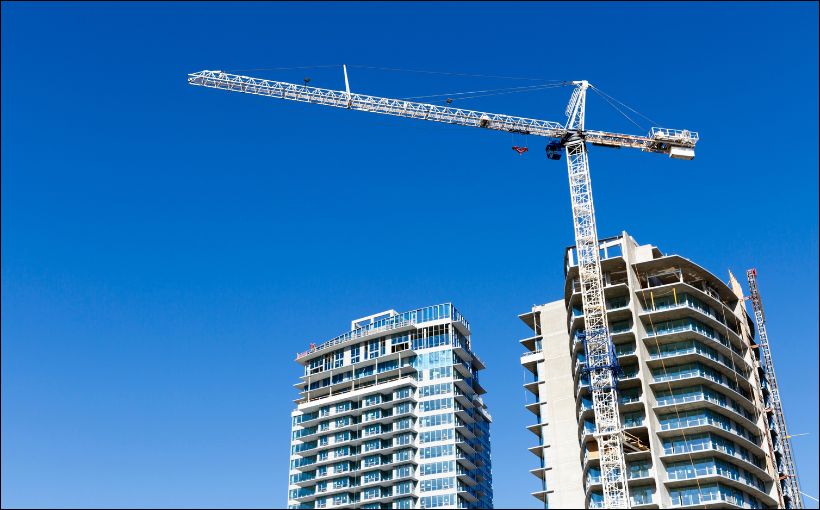
Pictured: Condominium towers under construction in Vancouver.
Photo: Shutterstock
- ◦Sale/Acquisition
- ◦Development
- ◦Policy/Gov't